Community Investigation, a workshop by Gray Ruffell
Most organisations talk about community. Very few investigate it.
A half-day workshop that gives your team the tools to see the people around them clearly, whether that's clients, customers or the person at the next desk, and to do something about it on Monday.
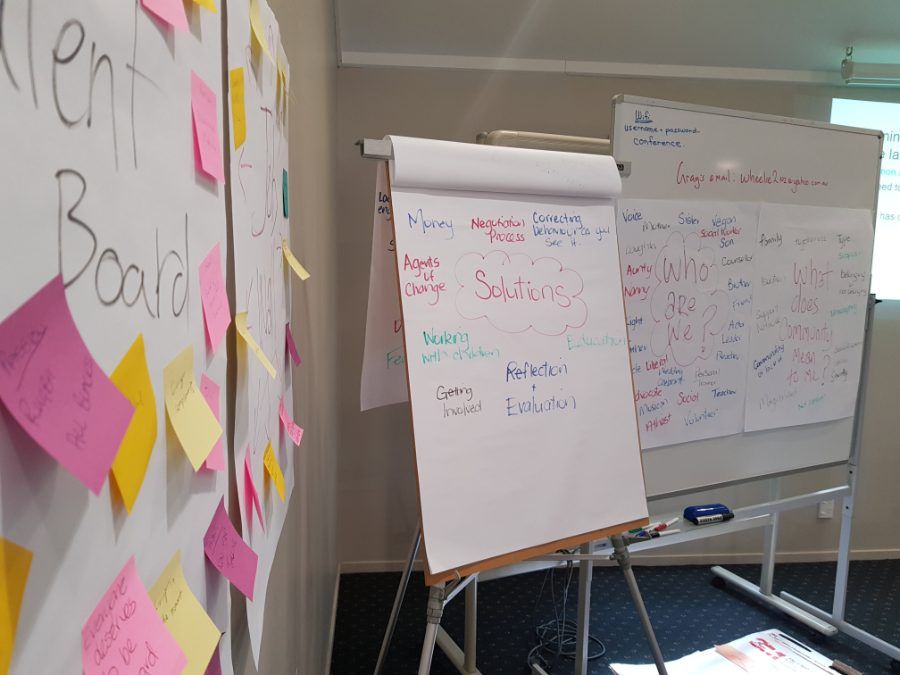
Built for community organisations. It turns out businesses need it just as much.
Community and social services
You already care about inclusion. This is the workshop that moves it from the values poster to the way your team actually works with the people it serves.
Businesses
Some of your customers and some of your staff live with disability. Most teams have never been given the language or the confidence to deal with that well. This fixes that in an afternoon.
Councils and public sector
Your obligations are clear. Your frontline's confidence often isn't. This is practical, human, and built for people who deal with the public every day.
Mission statements get updated. Values get printed on walls. Nothing changes in how people relate to each other.
Every organisation has to keep re-examining its place in the community it works in. Most of that re-examination stays at the level of rhetoric. The words on the wall change. The way the receptionist speaks to someone with a stammer doesn't.
Community Investigation is a different kind of workshop. It invites your team to take an honest look at what community actually means, how reciprocity really works, and what happens when you stop talking about inclusion and start practising it. No lecture. No compliance tick-box. A room full of people having the conversation they've been avoiding, with someone who knows how to hold it.
Seven modules. Half a day. A shift in how your team sees its role.
What does community mean?
A brainstorm. What your team actually thinks, not the corporate definition. No right answers yet.
Where did this come from?
The history behind how we think about community, and which of those ideas need challenging.
Barriers to an inclusive community
Labels, stereotyping, cultural attitudes. What gets in the way and why it persists.
Solutions
Practical approaches your organisation can take to remove barriers and shift the dynamic. Not theory. Tools.
The gift of reciprocity
How mutual dependence builds stronger communities and stronger teams. What your organisation gives, and what it gets back.
The labels we carry
How labelling shapes what we see and what we miss. The Social Model of disability, and what happens when a category becomes the entire story about a person.
What's my hope?
Every participant leaves with a personal action plan: one thing they want to change, and the steps to get there.
Not just ideas. Tools you can use on Monday.
For your organisation
A clearer sense of where you sit in your community, better use of the resources you already have, and fewer of the avoidable mistakes that cost time and goodwill.
For your people
Language and confidence for situations they currently dread. Less tension in the team. A shared vocabulary for inclusion that isn't borrowed from a compliance document.
For the people you serve
Customers, clients and community members who are seen as people first. Practical ways to use your own networks to build community beyond the workshop room.
For businesses
This isn't a charity session. It's a customer and culture session.
People living with disability are your customers, your staff, your suppliers' staff, and the people your team goes home to. Most businesses have good intentions and no shared language. When something goes wrong, it goes wrong in front of a customer.
Community Investigation gives your team the confidence to handle those moments well, and something more useful than that: a way of seeing people that improves how they treat everyone.
I've delivered this to community organisations for years. I'm now opening it up to businesses. If you'd like to be one of the first, ask about the pilot programme.
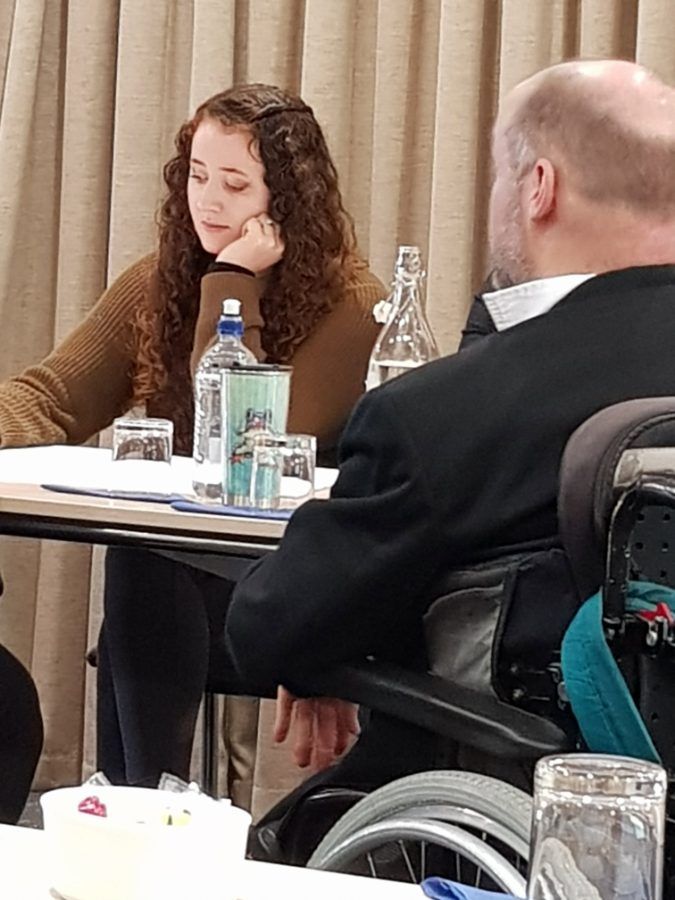
Four ways to do it.
Taster session
A lunch-and-learn, a leadership team session, or an all-staff opener. The core ideas, one exercise, and a conversation your team will still be having the next day.
From $500
Half-day workshop
All seven modules, facilitated in the room. Every participant leaves with an action plan. Travel outside Hawke's Bay at cost.
From $1,800
E-learning
All seven modules online, with video, reflection prompts and quizzes. For individuals, dispersed teams, or organisations that want everyone through it.
$95 per person, team bundles available
Keynote or conference session
Talks on honest communication, community and the labels we carry. See speaking for topics.
By arrangement
I'm not GST-registered, so these are the full prices. A community and not-for-profit rate is available. Just ask.
From enquiry to Monday morning.
Enquire
Fill in the form or call. Tell me about your organisation and what's prompting this.
A 30-minute call
I'll ask about your team, your context and what a good outcome looks like. You'll get a clear quote afterwards.
Tailoring
The seven modules stay, but the examples, the exercises and the emphasis are adjusted to your world. A retail team and a disability service need different conversations.
The workshop
Half a day, at your place. I bring everything. You bring a room, a whiteboard and people willing to talk.
Afterwards
Every participant leaves with their action plan. Your organisation gets a short summary of themes from the day. A 90-day follow-up session is available if you want the plans to stick.
This workshop is an excellent event for organisations to think about their role in promoting social inclusion and to pull together the big outcomes for the organisation and people they support.
A creative point of view on diversity.
Trusted by
Organisations who've done the work
- Options Hawke's Bay
- Parent to Parent
- PACT
- Oceania Group
- Methodist Church
Working in a business rather than a community organisation? Ask about the pilot programme and be one of the first names here.
Who's running this?
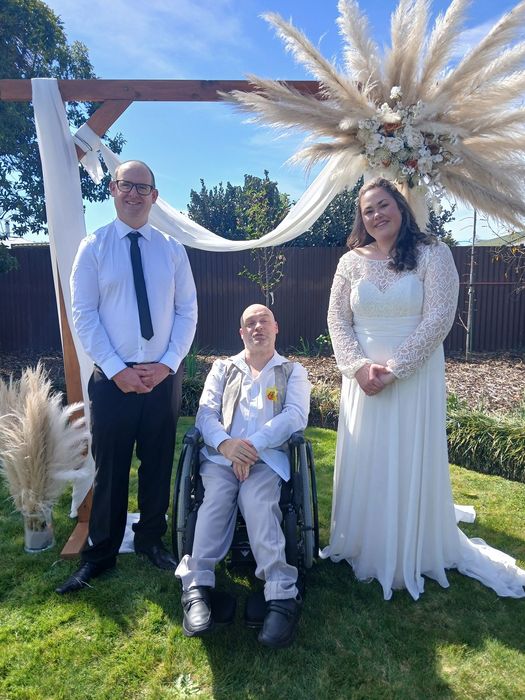
Gray Ruffell is a Hawke's Bay educator with a long history of community involvement and a very short tolerance for jargon. He created Community Investigation, was a presenter of the Tu Tikanga workshop for the Human Rights Commission, and has been a youth worker and motivational speaker. He has lived with cerebral palsy his whole life and has spent most of it making sure that isn't the only thing people know about him. Registered marriage celebrant since 2009.
Questions people ask
- How many people can attend?
- The half-day works best with 8 to 20. Up to 25 is fine with a bigger room. Larger groups suit the taster format or a keynote.
- Do we need to be a disability organisation?
- No. The workshop uses disability as a lens because it's the one I know from the inside, but the subject is how people see and treat each other. Retail teams, councils and churches have all found it applies to them.
- Is this a DEI or compliance training?
- It will support both, but it isn't a policy briefing. It's a facilitated conversation with tools at the end. If you need a specific compliance outcome documented, tell me and we'll build it into the day.
- Can it be tailored to our sector?
- Yes, and it should be. The 30-minute call is where that happens.
- Is the workshop itself accessible?
- Yes. Tell me about your team's access needs in the enquiry and I'll plan for them.
- Do you travel outside Hawke's Bay?
- Yes. Travel and accommodation are charged at cost and agreed in the quote.
- How does the e-learning work?
- You get access to the online course. Work through the seven modules at your own pace, with video, reflection prompts and short quizzes.
Tell me about your team.
I'll be in touch within two working days. If it's urgent, call 027 303 1079.